







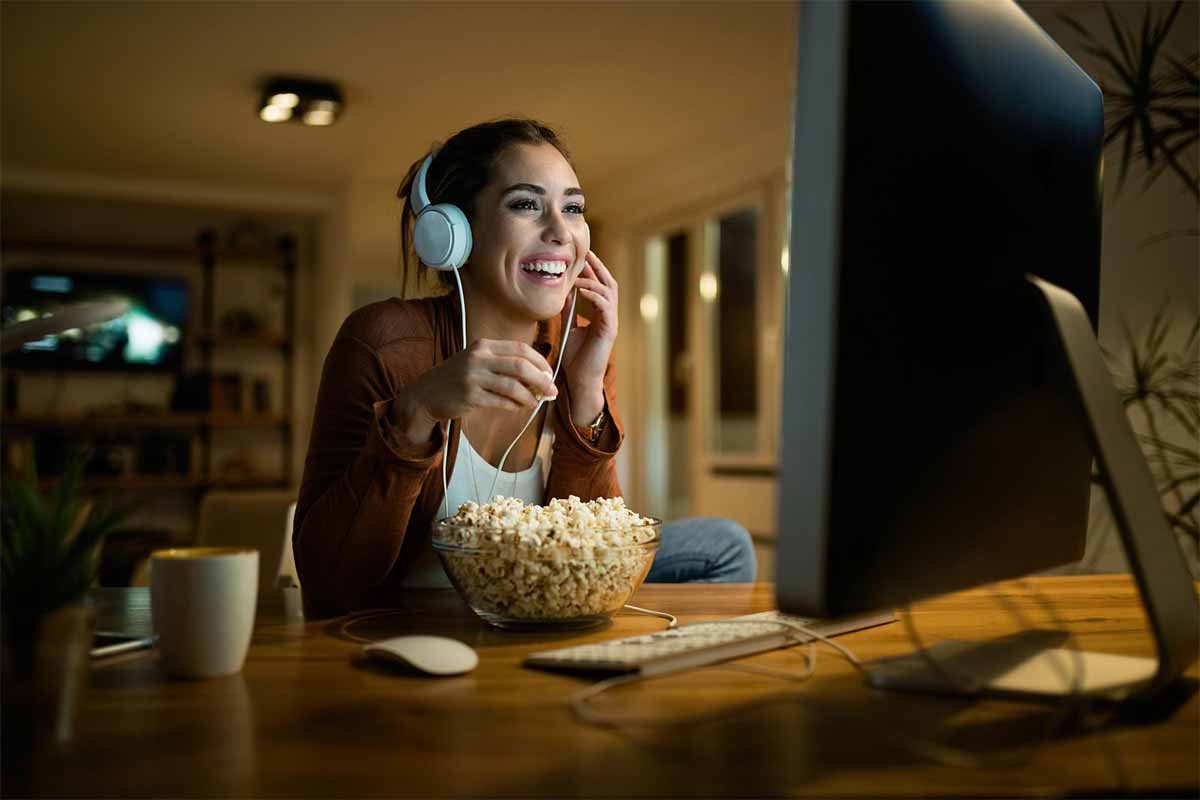
Watch Movies You’ll Remember: Choosing Better Films and Enjoying Them More
It’s a familiar evening. You spend 40 minutes scrolling through menus, give up, and put on something you’ve already seen. Or you finally pick a film and spend half of it glancing at your phone.
The way we watch movies shapes how much we enjoy them. This guide covers how to ดูหนัง choose films that suit your mood, how to set up your screen and room for a better picture, and a few habits that make movie nights feel worth the time.
Choosing What to Watch
Too many options can be as frustrating as too few. A little structure helps you spend less time browsing and more time watching.
Start With Your Mood, Not the Menu
Before opening any app, ask yourself one question: do I want to laugh, be scared, feel moved, or switch off? Streaming menus are designed to keep you scrolling. Knowing what you want first cuts that time down.
A tired Tuesday night might call for a light comedy under 100 minutes. A free Saturday afternoon is a better time for a long epic or a subtitled drama that needs your full attention.
Keep a Running Watchlist
Whenever a friend recommends a film or you read about one, add it to a list right away. Letterboxd, IMDb, and most streaming apps have watchlist features. A simple note on your phone works too.
When movie night comes, you pick from ten films you already wanted to see instead of thousands you know nothing about.

Use Trusted Lists
Curated lists are a good way to find films outside your usual choices. The British Film Institute’s Sight and Sound poll, held once a decade, ranks classics chosen by critics and directors worldwide. Letterboxd users build lists on nearly any theme, from “Thai horror essentials” to “films under 90 minutes.”
Don’t Overlook Thai Cinema
Thailand has a strong film history, from Apichatpong Weerasethakul’s award-winning art-house work to crowd-pleasing GDH comedies and dramas. The Thai Film Archive preserves and screens local classics and publishes information on important Thai films.
Watching a few acclaimed Thai films in a row is a rewarding way to see how local filmmaking has changed over the decades.
Setting Up Your Screen for a Better Picture
Most TVs leave the factory with settings designed to look bright in a store, not natural in a living room. A few quick changes make a noticeable difference.
Switch the Picture Mode
Look for a mode called “Filmmaker Mode,” “Cinema,” or “Movie” in your TV’s picture settings. The colors might look a little dull at first, but give it a few minutes. Your eyes adjust, and that’s closer to how the film was meant to look.
Skip “Vivid” or “Dynamic” for movies. They push colors and sharpness too far and make skin tones look unnatural.
Turn Off Motion Smoothing
Motion smoothing makes films look like daytime TV or a video game, a problem often called the “soap opera effect.” Brand names include TruMotion, Motion Rate, and Auto Motion Plus.
Turning it off usually restores the natural look of film. RTINGS publishes settings guides for most TV models if you can’t find the option.
Sit at the Right Distance
For a 55-inch TV, sitting roughly 1.5 to 2.3 meters away gives an immersive view without straining your eyes. Larger screens can be placed farther back.
Getting the Sound Right
Sound often matters more than picture. Many viewers struggle with quiet dialogue and loud action scenes in the same film.
Fix Hard-to-Hear Dialogue
Most TVs and soundbars have a “dialogue enhancement” or “clear voice” setting. Some streaming apps also offer a reduced dynamic range or night mode option that evens out volume differences.
If you still miss lines, turning on subtitles in the film’s original language is a simple fix. Many people now watch this way by default.
Consider a Soundbar
TV speakers are small and often face backward or downward. Even an entry-level soundbar makes voices clearer and gives action scenes more weight. It’s usually the most noticeable upgrade for the money.
Creating a Comfortable Movie Night
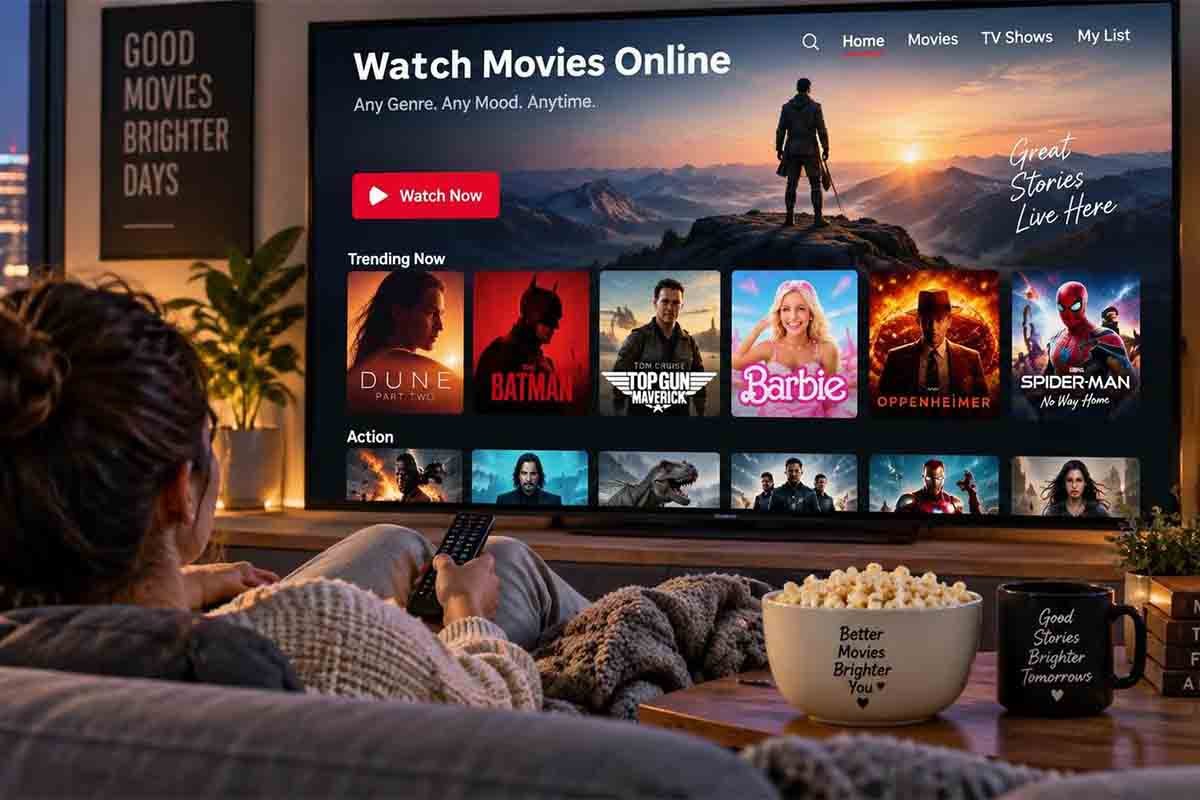
The room around the screen affects the experience as much as the equipment.
Control the Light
Reflections on the screen pull your attention away from the film. Close the curtains during the day, and switch off overhead lights at night. A small lamp behind the TV reduces eye strain without causing glare.
Put the Phone Away
This one is harder than it sounds. Research on multitasking consistently shows that splitting attention between screens reduces how much we remember and enjoy.
Place your phone in another room or face down out of reach. If you’re watching with others, agree on it together.
Plan Around Runtime
Check how long a film runs before you start. Many films now go past two and a half hours. Starting a long movie at 10 p.m. often ends in falling asleep before the final act.
Watching Movies With Others
Movie nights with family or friends are more fun when everyone has a say.
Take turns choosing, or let each person shortlist two films and vote. For children, check age ratings and read content guides from Common Sense Media before pressing play.
After the credits, a short conversation about favorite scenes or a surprising ending often becomes the best part of the evening.
Remembering What You Watch
It’s easy to forget films within a few months. Logging each film with a date and a short note, even a single sentence, helps you remember what you liked and why.
Over time, that record shows patterns in your taste and makes future choices easier. Letterboxd is built for this, but a notebook works just as well.
Conclusion
To watch movies you’ll actually remember, start by choosing with intention: know your mood, keep a watchlist, and try films outside your comfort zone. Then give the film a fair chance with sensible picture settings, clear sound, a darker room, and your phone out of reach.
These are small changes, but together they turn an ordinary evening in front of the screen into a proper movie night.












Leave a comment